
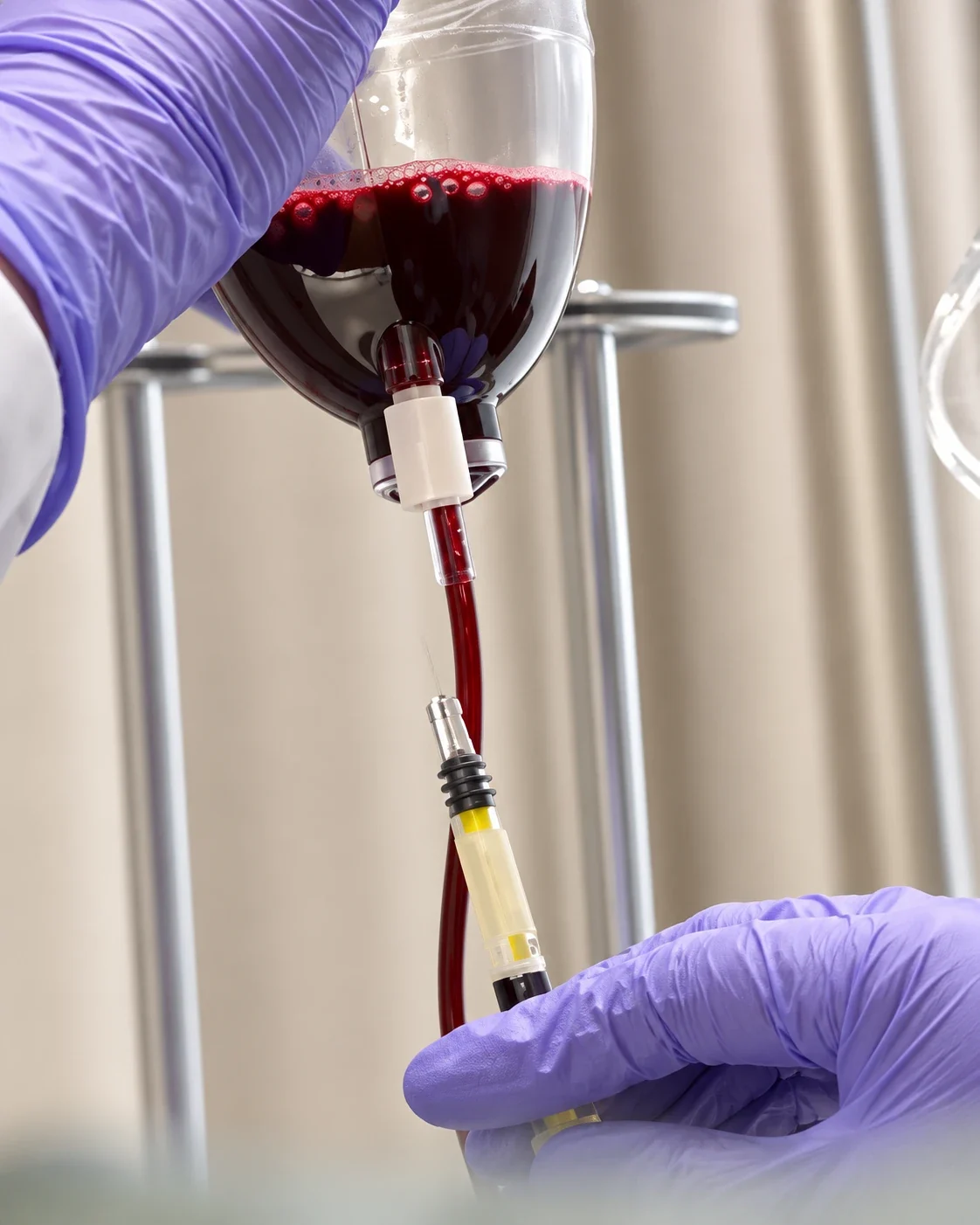




High-Dose Vitamin C Infusion in Dublin: Benefits, Safety and the G6PD Test
IV vitamin C delivers ascorbic acid at doses tablets cannot reach. Here is what it is used for, the evidence behind it, and the essential safety checks, including why we always test G6PD first.
In brief
A doctor's guide to high-dose IV vitamin C: medical uses, honest evidence, and the blood tests (including G6PD) that keep it safe.
A vitamin C infusion is the intravenous administration of ascorbic acid (vitamin C) at doses far higher than can be achieved by taking it orally. Delivered directly into the bloodstream, it bypasses the limits of intestinal absorption, so blood levels reach concentrations that tablets simply cannot.
At Dr. Torun's Clinic in Tallaght, Dublin, high-dose vitamin C infusions are carefully assessed and supervised by a doctor. Because higher doses carry specific safety considerations, the checks we carry out first are especially important. Here is what you need to know.
What Is a Vitamin C Infusion?
High-dose IV vitamin C delivers ascorbic acid in gram quantities, protocols range from a few grams up to 50-100 g in specialised settings, well beyond a normal dietary intake. It is used in both medical and wellness contexts.
Medically accepted or studied uses include:
- Severe vitamin C deficiency (scurvy)
- As an adjunct in cancer care
- As an adjunct in severe infections or sepsis, in some protocols
- Critical illness associated with oxidative stress
- Support for wound healing in deficiency states
It is also requested for wellness reasons such as immune "boosting", anti-ageing, fatigue and skin brightening. These wellness uses are popular but less firmly supported by evidence.
Blood Tests Before Your Infusion
High-dose vitamin C can affect the kidneys and interfere with some lab readings, so safety testing is a priority. Core tests include:
- Renal (kidney) function tests: creatinine, urea and eGFR (very important)
- Complete blood count (CBC)
- Electrolytes
A specific and important test is:
- G6PD deficiency test: essential to avoid the risk of haemolysis (red blood cell breakdown) in susceptible patients
Depending on your history, we may also check liver function tests and urinalysis. In higher-risk patients we consider iron studies (vitamin C increases iron absorption) and any history of kidney stones.
Benefits
Medically relevant benefits include:
- Treatment of vitamin C deficiency (scurvy)
- Support for collagen synthesis, wound healing and skin integrity
- Antioxidant effects that reduce oxidative stress
Vitamin C infusions may also reduce the severity of some infections and are studied as a possible adjunct in cancer therapy, though never as a standalone treatment. Some people report improvements in fatigue or energy.
Risks and Considerations
High-dose vitamin C is not suitable for everyone. Important risks include:
- Kidney stones (oxalate nephropathy)
- Haemolysis in G6PD deficiency: which is why we test for it first
- False lab results: vitamin C can interfere with glucose testing
- Electrolyte imbalance
It is contraindicated in G6PD deficiency and severe kidney impairment, and used only with caution in anyone with a history of recurrent calcium oxalate kidney stones.
Who May Need This Drip?
- Patients with severe vitamin C deficiency (scurvy)
- Selected oncology patients receiving adjunctive supportive care
- Patients with severe infections or critical illness within specific treatment protocols
- Patients with deficiency-related impaired wound healing
- Selected patients with increased oxidative stress, after careful clinical assessment
Our Approach at Dr. Torun's Clinic
Safety comes first with high-dose vitamin C. Before any vitamin C drip, we review your history, arrange the necessary bloods, including G6PD and kidney function, and confirm the dose is appropriate for you. You are monitored throughout by our medical team.
Interested in a vitamin C infusion done properly and safely? Book a consultation or see our full IV therapy services.
Services mentioned in this article
Frequently asked questions
What is a high-dose vitamin C infusion?
It is the intravenous delivery of ascorbic acid (vitamin C) at doses far higher than tablets can achieve, from a few grams up to much larger amounts in specialised protocols. Because it bypasses the gut, blood levels reach concentrations oral vitamin C cannot.
Why do I need a G6PD test before vitamin C?
G6PD is an enzyme that protects red blood cells. In people who are deficient, high-dose vitamin C can trigger haemolysis, the breakdown of red blood cells. Testing G6PD first is an essential safety step, and we do not provide high-dose vitamin C infusions without it.
Is IV vitamin C safe?
It is safe for suitable patients when proper checks are done. Key risks include kidney stones, haemolysis in G6PD deficiency, and interference with glucose lab tests. It is contraindicated in G6PD deficiency and severe kidney impairment, and used cautiously in anyone with recurrent calcium oxalate stones.
Can vitamin C infusions treat cancer?
No, high-dose vitamin C is studied only as a possible adjunct in some cancer-care protocols, never as a standalone treatment or cure. Anyone undergoing cancer treatment should always coordinate with their oncology team before considering it.
What blood tests are needed first?
Core tests include kidney function (creatinine, urea and eGFR), a complete blood count, electrolytes and a G6PD deficiency test. Depending on your history we may also check liver function, urinalysis and iron studies, since vitamin C increases iron absorption.