
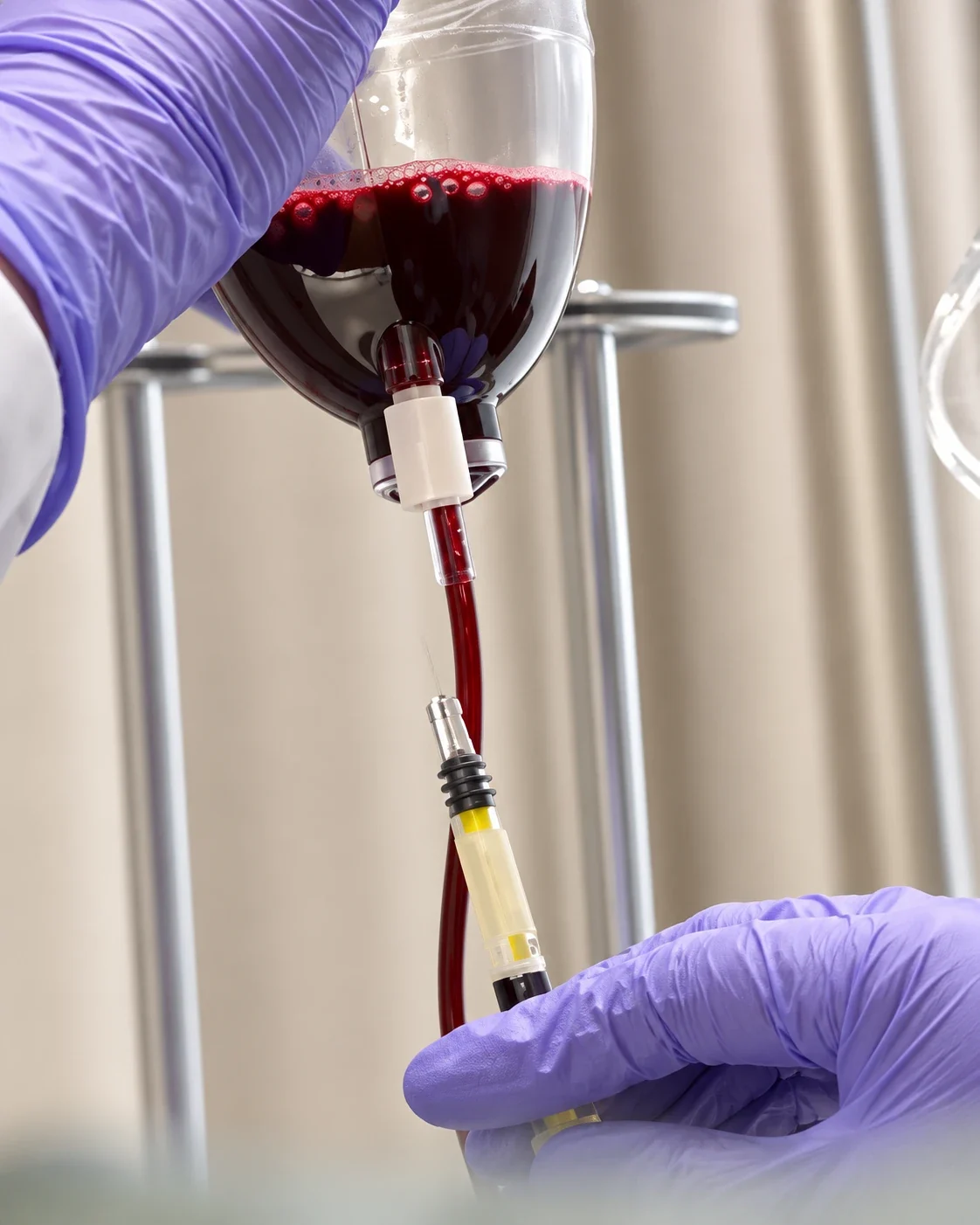




Iron Infusion in Dublin: A Doctor’s Guide to Iron Deficiency and IV Iron Therapy
When iron tablets are not enough, an IV iron infusion can restore your iron stores within weeks. Here is what to expect, who is eligible, and how the treatment works at our Tallaght clinic.
In brief
A practical guide to iron deficiency, iron deficiency anaemia, and when an iron infusion in Dublin is the right next step.
Why Iron Matters
Iron is essential for making haemoglobin, the protein in red blood cells that carries oxygen around your body. When iron levels fall too low, oxygen delivery to tissues suffers and you start to feel it as tiredness, breathlessness, brain fog and reduced exercise tolerance.
Iron deficiency is one of the most common nutritional deficiencies in Ireland, particularly in:
- Women with heavy menstrual periods
- Women who are pregnant or recently postpartum
- Those following plant-based diets without careful iron planning
- Anyone with a gastrointestinal condition affecting absorption (coeliac disease, inflammatory bowel disease, after bariatric surgery)
- Those with chronic blood loss, including from gastric or colonic causes that require investigation
Symptoms of Iron Deficiency
The classic symptoms most patients notice are:
- Persistent fatigue that does not improve with rest
- Shortness of breath, especially on stairs or exercise
- Dizziness or headaches
- Pale skin or pale inner eyelids
- Hair thinning or excessive hair shedding
- Difficulty concentrating, sometimes described as brain fog
- Restless legs at night
- General weakness or reduced exercise tolerance
These symptoms often build up gradually over months, so it is common for patients to dismiss them or put them down to age, stress or poor sleep. A simple GP consultation and blood test can confirm the diagnosis.
What the Bloods Show
We typically check:
- Ferritin: the most useful single marker of iron stores
- Full blood count (FBC): to look for anaemia (low haemoglobin)
- Iron studies: serum iron, transferrin and transferrin saturation
- B12 and folate: to rule out other common causes of fatigue
- TSH: to rule out an underactive thyroid contributing to symptoms
A low ferritin with or without anaemia confirms iron deficiency. Anaemia with normal ferritin points to other causes that need different management.
Oral Iron vs IV Iron Infusion
Most mild iron deficiency responds well to oral iron tablets and a few dietary changes. However, oral iron has real limitations:
- It is poorly absorbed (a typical tablet delivers only 1-2 mg of iron to the body even though the tablet contains 60 mg)
- Many people develop nausea, constipation or stomach upset
- It can take 6 months or more to fully replenish stores
- Some patients simply cannot absorb oral iron at all
An IV iron infusion delivers a much larger dose directly into the bloodstream in a single session. For the right patient, it is faster, more reliable and avoids gut side effects entirely.
When Is an IV Iron Infusion Recommended?
We typically consider an iron infusion when:
- Iron deficiency anaemia is moderate to severe
- Oral iron has failed to raise ferritin after 2-3 months
- Oral iron causes intolerable side effects
- There is malabsorption (coeliac disease, IBD, post-bariatric surgery)
- Iron levels need to be restored quickly (for example before surgery, during pregnancy, or before assisted fertility treatment)
- The cause of iron loss is being investigated and the patient is symptomatic now
The decision is always individual. Iron infusion is not the right answer for everyone with low iron, and we are happy to tell you so if oral iron is a better option for your situation.
What Happens During an Iron Infusion at Our Clinic
- Consultation and review. Your doctor reviews your blood results, medical history and any other supplements or medications. We confirm that an infusion is the right next step and discuss the dose.
- Cannula and preparation. A small cannula is placed in a vein, usually on the back of the hand or in the forearm. You are made comfortable in a reclining chair.
- The infusion. Modern iron preparations such as ferric carboxymaltose are delivered over 15-30 minutes, with a short observation period afterwards. Your doctor monitors you throughout.
- Aftercare. Most patients walk out feeling no different from when they walked in. Some report a mild flush or temporary metallic taste during the infusion, both of which settle quickly.
- Follow-up bloods. We recommend repeat bloods 6-8 weeks after the infusion to confirm ferritin and haemoglobin have responded.
What to Expect Afterwards
Most patients notice improvements in this order:
- Within days: less brain fog and clearer thinking
- 1-2 weeks: better energy, less breathlessness
- 4-8 weeks: full restoration of iron stores, hair shedding reduces, exercise tolerance improves
- 3-6 months: if the underlying cause is addressed, the benefits last
If symptoms return, we look for the underlying cause rather than just topping up iron repeatedly. Persistent or recurrent iron deficiency usually means there is ongoing loss somewhere that needs investigation.
Iron Infusion vs Other IV Therapies
You may have seen IV therapy advertised at non-medical clinics. There is a clear difference between:
- Wellness IV drips such as our Myers Cocktail or Vitamin C drip, used for general wellbeing
- Medical iron infusion, used to treat documented iron deficiency with proper clinical assessment
Both have a place, but they are not the same thing. An iron infusion is a medical treatment for a medical diagnosis. We will not give you an iron infusion without bloods to back it up.
Risks and Considerations
Modern iron infusions have a strong safety profile when given in a medical setting, but no infusion is entirely without risk. The points we watch for include:
- Infusion reactions such as flushing, dizziness or a temporary drop in blood pressure
- Allergic reactions: rare, and far less common with modern preparations than with older formulations
- Iron overload, if infusions are given without proper monitoring
- Local site reactions, including pain or skin staining if the iron leaks outside the vein (extravasation)
This is exactly why we deliver every infusion in a controlled clinical setting, at a measured rate, with monitoring throughout. Your iron dose is calculated from your weight and blood results, never guessed.
Why Choose Dr. Torun’s Clinic
- Every infusion is reviewed and supervised by a registered medical doctor
- Transparent, all-inclusive pricing on our Fees page
- Same-week appointments where possible
- Multilingual consultations in English, Turkish, Polish and Spanish
- Three-time WhatClinic Patient Service Award winner (2023, 2024, 2025)
Next Steps
If you suspect iron deficiency, the first step is a short GP consultation and a blood test. If the bloods confirm low iron stores, we will discuss whether oral iron or an iron infusion is the right next step for you.
Services mentioned in this article
Frequently asked questions
What is an iron infusion?
An iron infusion delivers iron directly into the bloodstream through an IV drip. It is used when oral iron supplements are not effective or not tolerated, when iron deficiency is severe, or when iron levels need to be restored quickly. At Dr. Torun's Clinic, infusions are delivered in a clinical setting with full medical monitoring.
Who needs an iron infusion?
An iron infusion may be appropriate for people with iron deficiency anaemia, very low ferritin, poor absorption from gut conditions, or those who cannot tolerate oral iron. Pregnancy, heavy periods, gastrointestinal blood loss and bariatric surgery are common reasons. Every patient is assessed individually before treatment is offered.
How long does an iron infusion take?
Most iron infusions take between 30 and 60 minutes. You will spend a little longer at the clinic for the initial assessment and a short post-infusion observation period. Most patients return to normal activities the same day.
Are iron infusions safe?
Modern iron preparations have a strong safety profile when administered in a medical setting. Side effects are usually mild and short-lived. Serious reactions are uncommon. At our clinic the infusion is supervised by a doctor and you are monitored throughout.
How quickly will I feel better after an iron infusion?
Some people notice improvement in energy and concentration within 1-2 weeks. The full effect on iron stores is typically seen at 4-8 weeks, when ferritin and haemoglobin levels are re-checked with a blood test.
How much does an iron infusion cost in Dublin?
An iron infusion at Dr. Torun's Clinic starts from €475. The price includes the consultation, the iron preparation and medical supervision throughout the procedure. See our Fees page for full pricing.
Do I need a blood test before an iron infusion?
Yes. Recent blood results (ideally within the last 3 months) showing ferritin, full blood count and iron studies are required before we recommend an infusion. If you do not have recent results we can arrange the bloods at the clinic.